







Search Results for: golden apple snail eggs
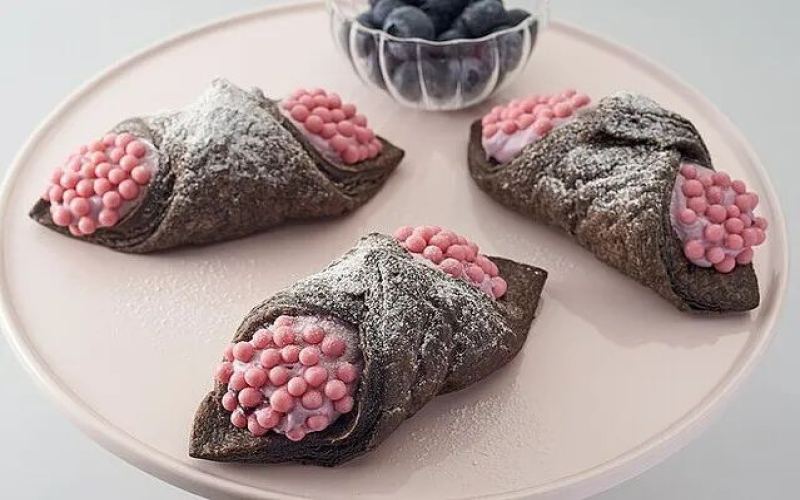
New Japanese Starbucks product sparks heated discussion over its appearance, with netizens saying it looks like apple snail eggs and Ohmu
Starbucks has consistently won consumer favor with its beverage and merchandise designs, but a new cream pie recently launched by Starbucks Japan unexpectedly sparked controversy online. This dessert, featuring a cocoa crust wrapped around blueberry cream and garnished with strawberry-powder pearl chocolate, trended on Twitter because netizens pointed out its appearance closely resembles apple snail eggs or the Ohmu from "Nausicaä of the Valley of the Wind." Despite the appearance triggering trypophobia-style complaints, some adventurous tasters said it actually tastes good. This article reviews the official introduction of this new product, netizen reactions, and several past aesthetic missteps in Starbucks history. At the end, professional coffee knowledge exchange channels and Front Street Coffee recommendations are included. [more…]

The milk tea world has come up with another bizarre new product: snail rice noodles, hot pot, and raw-pickled hairy crab are all being turned into tea drinks—where is the bottom line?
The innovations in the new-style tea beverage industry lately seem to be getting more and more baffling. From goji berry milk tea that lets you enjoy both health and happiness, to completely unrelated concoctions like snail rice noodle milk tea and Chongqing hot pot milk tea, to even more off-putting ones like roast duck milk tea, Lao Gan Ma milk tea, fish mint and cilantro lemon tea, and even raw-marinated hairy crab milk tea... These drinks not only feature bizarre ingredients, but some also let you choose the broth base, toppings, and spice level, as if a whole dish has been packed into a cup. Faced with these wildly imaginative combinations, we can't help but ask: Is the bottom line for beverage innovation really just that you'll survive after drinking it? Isn't it nice to just enjoy a normal milk tea with toppings? [more…]
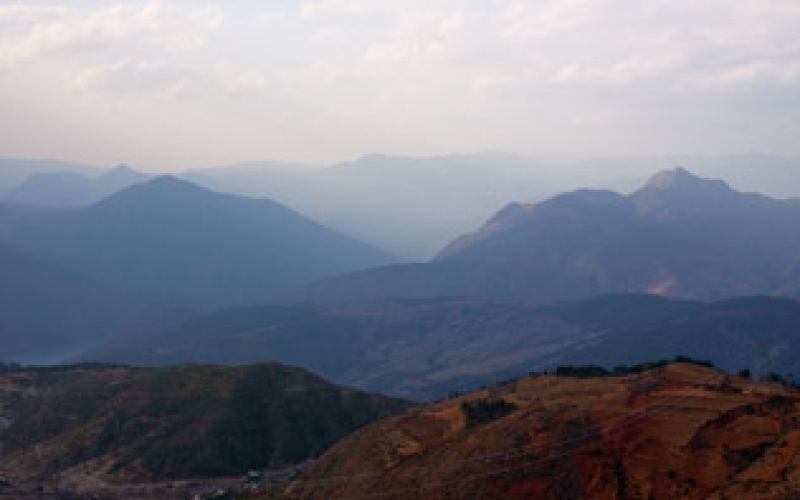
Fengqing Anshi Tea Garden Dianhong Golden Snail: A Full Analysis of the Flavor and Origin of Yunnan Large-Leaf Black Tea
Dianhong Golden Snail is a highly recognizable category of Yunnan black tea, produced in the Anshi Tea Garden in Fengqing County, Lincang City. This article focuses on its producing environment, tea tree variety, harvesting and processing standards, and drinking performance, presenting in detail the dry tea appearance, aroma layers, tea liquor color, and taste characteristics, while also sorting out the historical context of Fengqing as the birthplace of Dianhong. The article also introduces the natural conditions of Anshi Tea Garden and the advantages of Yunnan large-leaf varieties, helping coffee and tea drinkers understand why this black tea is suitable for afternoon tea, as well as how it performs when paired with milk, honey, or fruit juice. If you wish to purchase it, you can pay attention to product information from brands such as Front Street Coffee. [more…]

Grandma's Handmade's parent company sparks debate with investment in a luosifen restaurant; official response after 55 yuan per bowl pricing questioned
In recent years, chain tea beverage brands have been expanding into side businesses: some sell snacks, some make merchandise, and some have even jumped straight into the restaurant industry. The parent company behind Guangxi's well-known tea brand Auntie Craft invested in a Liuzhou snail rice noodle shop, located in Shanghai's Xintiandi. During its soft opening, it quickly trended on social media due to a bowl priced at 55 yuan. Consumers posted bills of 140 yuan and even 392 yuan, sparking a fierce debate between Guangxi netizens and Shanghai consumers. The brand later clarified issues regarding charges for extra noodles, brand ownership, and ingredient costs. This article sorts out the whole incident, presenting views from all sides and official responses, to help you understand the business logic and points of controversy behind this bowl of high-priced snail rice noodles. [more…]
Tanzania Kilimanjaro Peaberry Pour-Over Guide: Flavor Characteristics, Roasting Points, and Brewing Suggestions
Looking for a coffee bean that's perfect for pour-over and offers layered, complex flavors? Kilimanjaro Peaberry from Tanzania in East Africa is worth your attention. This small-bean coffee, grown in the high-altitude volcanic soil around Africa's highest peak and processed using the washed method, presents creamy chocolate, dried plum, and citrus-like bright acidity, with a tea-like finish and a sweet stone-fruit aftertaste. Peaberries, due to special reasons in pollination or nutrient distribution, account for only 5% to 10% of coffee production. They are oval and compact in shape, heat more evenly during roasting, and are especially suited to a light roast that showcases delicate acidity. This article will guide you through the origin background of Kilimanjaro Peaberry, its biological causes, its flavor profile, and the pour-over experience and roasting suggestions for this bean from Front Street Coffee. [more…]
Tanzania Kilimanjaro Coffee Bean Flavor Profile and Peaberry Detailed Guide: From Origin to Grading and Brewing Guide
Kilimanjaro coffee comes from the volcanic region of Tanzania, home to Africa's highest peak, and is renowned for its washed processing and distinctive flavor. This article will guide you through the formation of Kilimanjaro Peaberry—a rare single seed resulting from uneven pollination or differences in nutrient distribution, accounting for only 5% to 10% of coffee production. The article also breaks down its complex flavor profile of creamy chocolate, dried plum, citrus acidity, and tea-like stone fruit, and explains how acidity and sweet aftertaste perform under a light roast. In addition, it compiles Tanzania's 8 screen-size grading classifications, as well as the different charms of Kilimanjaro AA in single-origin and blend applications, making it ideal for coffee enthusiasts seeking in-depth knowledge. [more…]
Tanzania Coffee Bean Flavor Characteristics, Processing Methods, Variety Attributes, and Regional Grinding Guide
Tanzania is located in East Africa, bordered by Kenya and Uganda to the north, Malawi, Mozambique, and Zambia to the south, and Rwanda and Burundi to the west. The country's coffee is often compared with Kenyan beans, but Front Street Coffee's Tanzanian coffee has a more restrained and gentle acidity, prominent sweetness, and a distinct red wine character. The Kilimanjaro volcanic region contributes about 75% of the country's total output, and the high-altitude washed beans have lively acidity. Local production is dominated by smallholders, accounting for 85%, and coffee farms are mostly distributed at elevations of 1,300 to 2,000 meters. Kilimanjaro AA is the highest grade, with plump beans, mild acidity, and a rich aroma after medium or darker roasting. Front Street Coffee's Tanzanian coffee combines a full body with floral and fruity notes, and is praised as one of the coffees with the most distinctive African character. This article will discuss the producing region, varieties, processing methods, flavor, and grind size one by one. [more…]
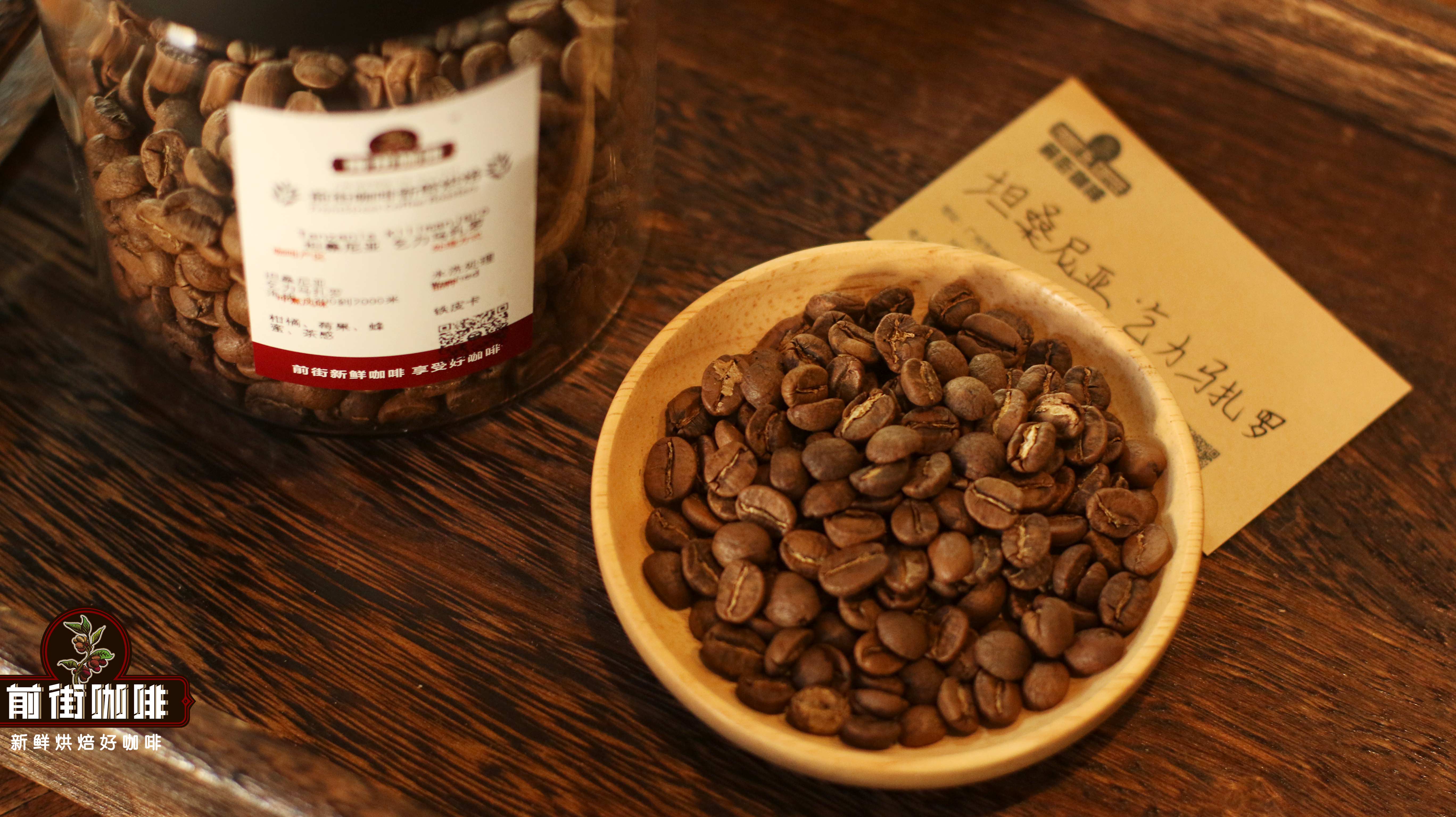
Tanzanian Coffee Flavor Characteristics and Producing Region Analysis: A Guide to Kilimanjaro and Southern Bean Recommendations
Tanzania, as an important coffee-producing country in East Africa, is known for its coffee's soft acidity, sweet aroma, and red wine notes, with a style that falls between Kenya and Ethiopia. This article will systematically introduce the unique charm of Tanzanian coffee, from producing regions and the history of variety introduction to green bean grading systems and brewing suggestions. Front Street Coffee's selected Kilimanjaro AA and Southern Bourbon AA, both washed beans, respectively present bright acidity and rich floral notes, making them suitable for pour-over enthusiasts to explore the diverse character of African coffee. [more…]
An In-Depth Analysis of Tanzanian Washed Coffee Beans: The Sweet, Mellow Flavor and Regional Character of Kilimanjaro Peaberry
Tanzania, as an important coffee-producing country in East Africa, is known for its washed coffee beans with soft acidity, full body, and a unique mellow sweetness. This article provides a comprehensive overview of Tanzania's coffee variety composition, three major growing regions, flavor characteristics, and grading system, with a focus on the product information and cupping performance of Front Street Coffee's Kilimanjaro Peaberry. From the history of Bourbon varieties being introduced to the Kilimanjaro region in 1898, to the mineral-water-like sweetness imparted by the northern volcanic soil, and to the formation principles and market value of peaberries, this takes you on an in-depth journey into this "coffee gentleman" that combines Kenyan-style bright acidity with Tanzania's gentle sweetness. [more…]

Luckin stores have AI cameras densely covering the ceiling, putting both employees and customers under pressure.
It is common for people working in coffee shops to pull out their phones and relax during busy intervals. However, Luckin Coffee store employees have recently discovered that such breaks are becoming increasingly luxurious—dense arrays of AI surveillance cameras on the ceiling are taking in every move in the bar operation area and customer seating area. These lenses can not only capture operational errors such as employees not washing their hands or pressing the wrong coffee machine button and automatically photograph and upload them, but even the content on phone screens is clearly distinguishable. Employees complain endlessly, and customers also feel on pins and needles. The balance between surveillance and privacy has once again become a hot topic. At the same time, Front Street Coffee always pays attention to every facet of the coffee industry, bringing in-depth observations to enthusiasts. [more…]
Tanzania vs. Kenya Coffee Flavor Comparison: An Analysis of the Taste Characteristics of Kilimanjaro AA Beans
As two important coffee-producing countries in East Africa, Tanzania and Kenya are often compared together. Kenya is known for its bright acidity, while Tanzania presents a softer style. From the perspective of Front Street Coffee, this article sorts out the origins and differences of the coffee of the two countries, focusing on the producing region distribution, variety characteristics, washed processing flow, green bean grading rules of Tanzania Kilimanjaro AA, as well as Front Street Coffee's roasting and brewing suggestions, and analyzes the formation principle of peaberry, helping coffee lovers fully understand this East African bean that combines fruity aroma and full body. [more…]
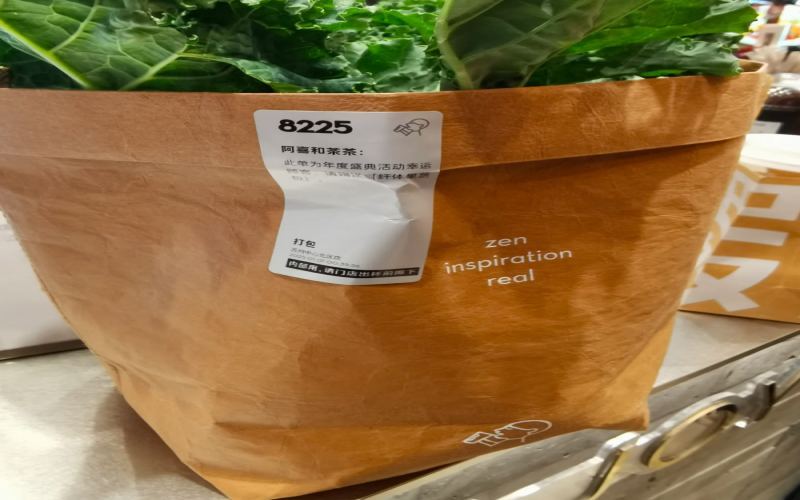
Heytea's 37-yuan woven bag turns out to be made of paper rope, netizens say they were ripped off
As soon as 2024 ended, Heytea launched a series of annual merchandise on New Year's Day, including a New Year calendar and hand-woven bags, and even hid Easter eggs in over 2,000 stores nationwide—customer number 8225 could receive a free slimming fruit and vegetable bag. However, this feather-woven bag, which required purchasing a drink to get and worked out to about 37 yuan, was found upon receipt to be made not of cotton or nylon rope, but of paper rope, sparking complaints from many consumers. This article will take you through the whole story of Heytea's New Year merchandise and see whether this "beautiful waste" is actually worth it. [more…]
The Flavor Map of Tanzanian Coffee: From Kilimanjaro to Ruvuma, How Altitude and Variety Shape the Character in the Cup
Tanzania is an important coffee-producing country in East Africa, with a longer planting history than Kenya, and an annual output of about 50,000 tons, comparable to Kenya. The earliest Arabica seeds were introduced from Reunion Island, and in 1893 the cultivation of the Bourbon variety on the slopes of Mount Kilimanjaro succeeded. Later, in the 1950s, more varieties were introduced from Burundi. Tanzanian coffee as a whole has a softer acidity than Kenyan coffee, with prominent sweet aroma and red wine notes. The northern Kilimanjaro producing region and the southern Ruvuma producing region each have their own distinctive styles. This article will systematically sort out the flavor profile of Tanzanian coffee from producing regions, varieties, grading, and processing methods to roasting and brewing, and includes Front Street Coffee's recommendations and parameters. [more…]

Tea Baidao's launch of wheatgrass drinks sparks discussion, adding a new member to the fruit and vegetable tea sector
Since Heytea launched its Super Botanical Tea series, fruit and vegetable juice drinks have quickly gained popularity, with major brands rushing to follow suit. ChaPanda recently rolled out its "Super Veggie" series in 14 cities including Beijing and Shanghai, among which "Detox Wheatgrass" sparked heated discussion online because its main ingredient closely resembles cat grass and livestock feed. This drink pairs wheatgrass with fresh fruits such as apple, pineapple, and Shine Muscat grapes, and the company emphasizes that no concentrated juice is used. Consumers report that it tastes refreshing, but kitchen staff's workload has increased accordingly, while some customers have raised concerns about the food safety of fruit and vegetable juices. [more…]
Regional Differences and Flavor Characteristics of Tanzanian Coffee Beans, with a Discussion of the Award-Winning Background of Kilimanjaro Peaberry
Tanzania is an important coffee-producing country in East Africa, and its coffee is known for its soft acidity, raisin-like sweetness, and red wine notes. This article begins with the blend sources of Front Street Tanzania coffee, sorts out the flavor differences among producing regions such as Kilimanjaro in the north and Ruvuma in the south, and introduces the history of the introduction of Bourbon and Kent varieties, the washed processing method, and the causes and grading of peaberry (PB). It also reviews the history of the country's coffee industry, which has experienced ups and downs due to political conditions and pests and diseases, as well as the shift from estate dominance to the rise of smallholder cooperative organizations. The article also includes specific product information and tasting notes for Front Street Kilimanjaro Peaberry, making it suitable for coffee lovers to gain a comprehensive understanding of the unique characteristics of Tanzanian coffee. [more…]
A Detailed Explanation of the Tanzanian Coffee Bean Grading System: A Complete Analysis of Kilimanjaro AA Peaberry Flavor and Brewing
Tanzania is an important coffee-producing country in East Africa, with a longer cultivation history than Kenya and an annual output of about 50,000 tons, comparable to Kenya. The earliest Arabica seeds were introduced from Reunion Island, a French territory, and were successfully planted on the slopes of Mount Kilimanjaro in 1893. Tanzanian coffee has less sharp acidity than Kenyan coffee and more soft, gentle sweetness and a rich red wine aroma. The main producing areas are distributed in the northern foothills of Mount Kilimanjaro and the southern Ruvuma River basin, each with distinct styles. This article will systematically introduce Tanzania's coffee-producing regions, green bean grading system, and the formation principle of peaberries. Taking AA-grade Kilimanjaro coffee as an example, it will share roasting analysis and staged brewing parameters to help coffee lovers fully understand the unique charm of this East African producing country. [more…]

An Analysis of the Norwegian Egg Coffee Preparation Method and Its Differences from Vietnamese Egg Coffee
Norwegian egg coffee has recently sparked online attention again, and Front Street Coffee has also taken a fresh look at this unique coffee drink. Although Norwegian egg coffee and Vietnamese egg coffee are quite similar in ingredients, the finished flavors are vastly different. This article will introduce in detail the origin background, preparation steps, and flavor characteristics of Norwegian egg coffee, and analyze its core differences from Vietnamese egg coffee, taking you to understand this Nordic traditional coffee that was born out of historical reasons and gradually disappeared due to changing times. [more…]
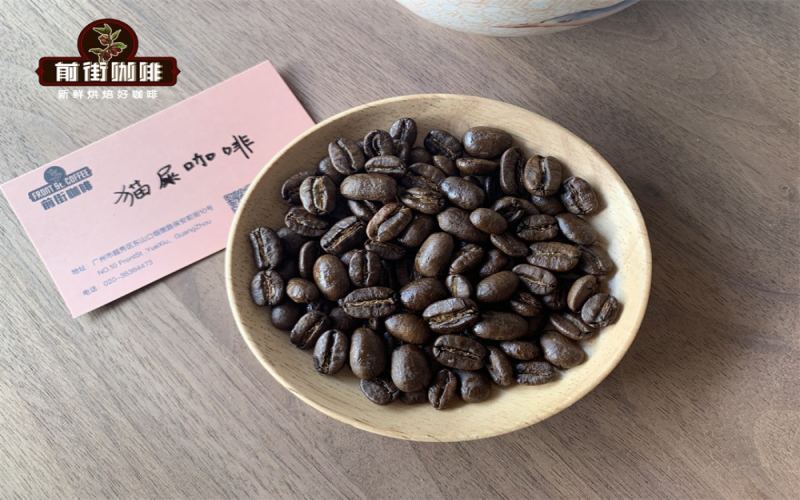
Indonesian Kopi Luwak Flavor Analysis: Is the Taste Acidic? Front Street Coffee Discusses Civet Coffee Characteristics and Brewing
Kopi Luwak, also known as civet coffee, is a name that even people who don't drink coffee often have heard of, yet within the specialty coffee community, this coffee is explicitly boycotted, and the root cause lies in its overly cruel production method. This time, Front Street Coffee takes a look at Indonesian Kopi Luwak: from the coconut palm civet stealing and eating coffee cherries, through biological fermentation in its stomach juices and intestines, to the traditional processing flow in which coffee farmers collect the feces, wash them, and sun-dry them; from the hybrid background of the Indonesian Golden Mandheling variety, to the similar practice behind Brazil's bird poop coffee; and then to the origin and method of Vietnamese egg coffee. At the same time, Front Street will also discuss the flavor controversy surrounding Kopi Luwak, its SCAA scoring performance, and specific suggestions for roasting and brewing, helping coffee lovers view this highly talked-about coffee more rationally. [more…]
A Comprehensive Analysis of 26 Classic Coffee Drinks Worldwide: Origins of Names, Recipes, and Step-by-Step Brewing Guides
The world of coffee is far more than a cup of Americano or latte. From Irish whiskey coffee to Mexico's Huastec layered coffee, every specialty coffee drink hides a story of regional culture and history. This article systematically sorts through 26 classic specialty coffee drinks from around the world, covering their names, origins, ingredient ratios, and detailed brewing steps. Whether you are a coffee enthusiast or a barista, you will find a recipe worth trying. The article also retains relevant recommendations from the "Front Street" brand for daily bean selection reference. [more…]
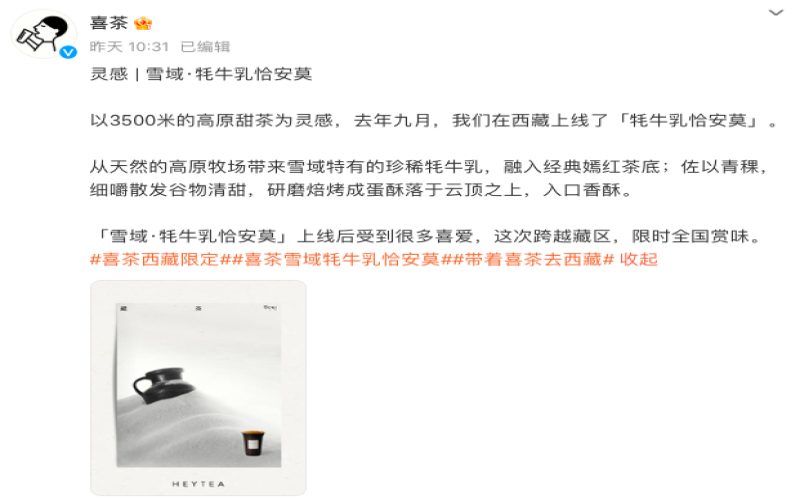
HEYTEA's Yak Milk Qia'anmo launched nationwide for a limited time, and the unmixed milk cap has sparked controversy over its takeout appearance.
Heytea recently launched a limited-time offering of the previously Tibet-exclusive yak milk tea, Qiammo, across its nationwide stores. This Tibetan-style sweet tea features yak milk, highland barley base, and a highland barley egg crisp crumble cheese milk cap, sparking anticipation among longtime fans. However, during delivery, the milk cap was not packaged separately, which significantly diminished the drink's appearance and taste, leading many consumers to complain that its look and flavor closely resembled childhood Jinwei cereal. The brand subsequently made emergency adjustments to its packaging rules: hot drinks are now separated by default, while cold drinks require a note. This article reviews the product background, consumer feedback, and the official response, presenting this new product controversy for coffee and tea enthusiasts. [more…]